 CONTACT US


YOUR ACTION CHANGES OUTCOMES
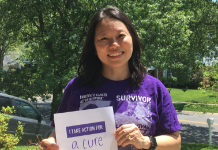
When we come together as one voice in support of increased federal funding for pancreatic cancer research, Congress listens. To continue making the progress patients with pancreatic cancer and their families deserve requires the full strength of our growing PanCAN community working to accelerate progress. Our advocates (that's you!) work year-round to power progress because together, we're a catalyst for change on Capitol Hill.
 Why We Advocate:
OUR PRIORITIES
Why We Advocate:
OUR PRIORITIES
Our efforts are focused on reaching, and influencing, members of Congress to prioritize pancreatic cancer research. Join our fight.
LEARN MORE Take Action Year-Round:
It's easy!
Take Action Year-Round:
It's easy!
Send a message to Congress urging them to understand what matters to you!
ACT NOW YOUR ADVOCACY TOOLKIT:
Everything you need to succeed
YOUR ADVOCACY TOOLKIT:
Everything you need to succeed
You make the difference. Use our tools and resources to advocate in your community.
BE AN ADVOCATEADVOCACY UPDATES
WHAT WE'VE AccomplishED TOGETHER
PanCAN is a uniting force for the pancreatic cancer community to bring their message directly to Capitol Hill.
Congress acts because of advocates like you. Thanks to your efforts, our voices are heard by members of Congress,
and the lives of people touched by the disease continue to improve.

href="/get-involved/advocacy/advocacy-accomplishments/">Learn More About Our Year-Round Advocacy Accomplishments
Who are our Advocates? You.
So much progress has been made through your actions. For the more than 67,000 Americans who will be diagnosed with pancreatic cancer this year, your voice makes a difference in increasing the federal investment to ensure researchers have the resources they need to accelerate scientific discoveries that will improve patient outcomes.
"Personal stories matter a lot. So people going in to talk to their Congressman or talk to their Senator
should be confident that the office will care, that you as a constituent matter and that the personal story
you bring has power."
Sen. Sheldon Whitehouse





JOIN OUR MOVEMENT
Mail Donations to:
Pancreatic Cancer Action Network
Donation Processing Center
PO Box 5041
Boone, IA 50950-0041
877-2-PANCAN
pancan.org
events@pancan.org
FOLLOW US ON SOCIAL MEDIA


Get Our Latest News!



©2026 Pancreatic Cancer Action Network. All rights reserved. Terms of Use | Privacy Policy
Pancreatic Cancer Action Network®, PanCAN®, PurpleStride®, Wage Hope®, Know Your Tumor®, Powerful Knowledge. Personal Treatment.®, Precision Promise℠ and Demand Better For Patients. For Survival.℠ are the trademarks of the Pancreatic Cancer Action Network, Inc.
The Pancreatic Cancer Action Network is registered as a 501(c)(3) nonprofit organization. Contributions to the Pancreatic Cancer Action Network are tax-deductible to the extent permitted by law. The Pancreatic Cancer Action Network's tax identification number is #33-0841281.
Today, I stand with @PanCAN and wear purple to honor my constituents impacted by #pancreaticcancer. Research is key to improving patient outcomes. That's why I support $15 million for the Pancreatic Cancer Research Program. #PanCANforProgress www.pancan.org
Copy text