CONTACT US
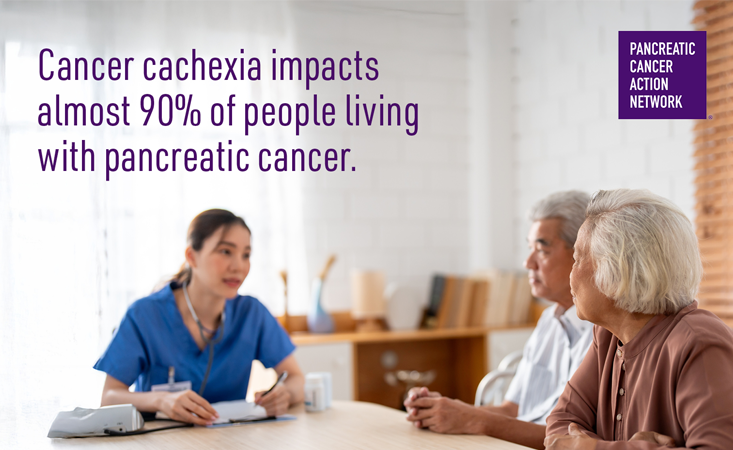
One of the most common conditions associated with pancreatic cancer may also be one of the least understood: Cancer cachexia. Sometimes known as wasting syndrome, cancer cachexia is the loss of 5% or more of body weight in six months. It impacts almost 90% of people living with pancreatic cancer. Learn more about this condition in this Q&A with Nicolas Clifford, PanCAN’s manager of research and education communications.
What is cancer cachexia? How is it different from weight loss?
Cancer cachexia is a condition that leads to severe weight loss. It is caused by many different factors that scientists are still trying to understand. It differs from weight loss because it is unintentional and happens even if the patient is still eating enough food to maintain their weight.
Cancer cachexia is also different from weight loss because it affects muscles too. Instead of just losing weight from excess fat, cancer cachexia can cause significant muscle-wasting that can make patients feel weak and unable to withstand often intense cancer treatments. This muscle wasting can also include weakening of muscles of the heart and lungs, which makes early intervention important.
What causes cancer cachexia? How common is it in patients with pancreatic cancer?
Cancer cachexia is multi-factorial, which means it happens for several different reasons. This makes it hard to study and understand. Scientists believe cancer cells themselves release signals, called cytokines, that change the way the body stores and uses energy. These signals and the resulting inflammation can impact a person in many different ways, including muscle and fat loss, digestive changes and a weaker immune system.
Cancer cachexia is very common in people living with pancreatic cancer: 9 out of 10 will experience it. This makes communicating early and often about weight loss and appetite changes very important.
What are some of the most common signs and symptoms?
The most common signs and symptoms of cancer cachexia are severe weight loss, fatigue and weakness, loss of appetite and anemia.
Some of these symptoms can be vague or explained away by the impact of treatments like chemotherapy or surgery. You should always inform your healthcare team if any of these symptoms appear. Taking action early can help you come up with a plan to address cancer cachexia from multiple angles, from diet plans and supplements recommended by a dietitian to psychosocial support to help navigate the road ahead.
How can it affect a person’s cancer treatment?
Cancer cachexia can make it harder for patients to stay strong and healthy, which is important when getting treatments like chemotherapy and surgery. Cancer cachexia may cause patients and their doctors to pick a milder treatment or to stop their current treatment and switch to another one. All of these decisions will be made with your healthcare team. The goal is typically to help patients balance cancer-fighting treatment with a focus on maintaining a steady weight or controlling weight loss, which can minimize side effects and improve quality of life.
How is cancer cachexia treated? What are some tips to improve a patient’s quality of life?
There is no cure for cancer cachexia. The treatment is a combination of supportive care, dietary changes, pancreatic enzymes and lifestyle changes, like light exercise for some.
Doctors can work closely with patients to help them manage the condition by adjusting treatments if needed. A team approach, including supportive/palliative care, is important to address cancer cachexia. Health professionals like doctors, social workers, physical therapists and dietitians can help maintain your quality of life and your emotional, social and physical health. For example, dietitians can create dietary plans and guide enzyme use, while physical and occupational therapists can offer recommendations for movement and exercise.
Clinical trials may also be an option. They help lead the way to new treatments for both cancer and conditions like cancer cachexia. PanCAN encourages patients to consider clinical trials at every step of treatment. PanCAN Patient Services Case Managers can provide a personalized list of clinical trials you may be eligible for.
What are some strategies for caregivers to manage the distress that can come with seeing a loved one live with cancer cachexia?
Cancer cachexia impacts the family as well as the patient. Seeing a loved one lose weight and look different over time is emotionally draining — and can even be scary.
Caregivers and loved ones can look to the patients’ healthcare team for help. Social workers can connect loved ones with counseling and talk therapy services. Dietitians can help caregivers come up with a plan to make mealtimes less stressful and more enjoyable. Education about cancer cachexia is important too. Learning about the condition may help address feelings of guilt or helplessness.
Self-care is critical and can help caregivers avoid burnout. Support groups offer caregivers the opportunity to find community. Sometimes a group of people at your side going through a similar experience makes difficult times a little easier.
PanCAN Patient Services can help you locate resources for caregivers. Contact us today to be connected with a Case Manager for personalized support and education.
What research is happening for cancer cachexia treatment?
Scientists have made progress to understand the factors that lead to cancer cachexia. The condition continues to be studied in animals like flies and mice, and clinical trials are being conducted studying drugs that we hope can reverse or prevent the condition for people with cancer. Researchers have made progress in recent years with treatments like ponsegromab, which has performed well in clinical trials. This highlights the continued importance of research funding, which can lead to new discoveries, and importantly, hope for patients living with pancreatic cancer.